The Ultimate Guide to Arborist Climbing Spurs in the UK
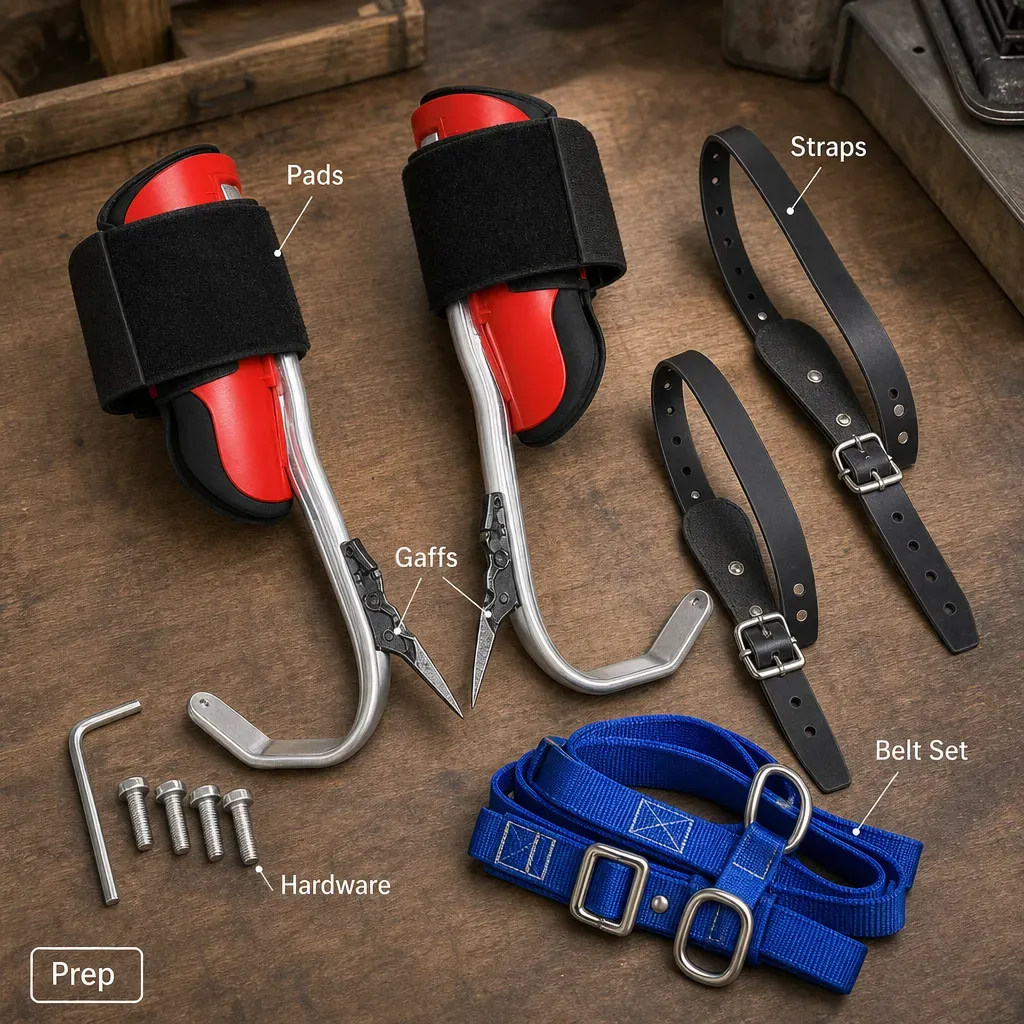
TL;DR: Arborist climbing spurs (or spikes) are specialised work-positioning tools featuring rigid metal shanks and sharp steel gaffs that secure a climber to a tree trunk. According to UK guidelines (BS 3998:2010), they must only be used during complete tree dismantling operations or emergency aerial rescues to prevent permanent cambium damage to living trees.
Arborist climbing spurs are essential tree-climbing tools that transfer a professional's weight directly into the trunk of a tree via hardened steel spikes. Ascending into a mature oak or Scots pine to conduct a heavy sectional dismantling requires absolute confidence in your gear. For professional UK arborists, these spurs—variously known across the industry as climbing spikes, irons, or gaffs—are non-negotiable devices for vertical progression and work positioning on trees scheduled for removal. However, the physical toll of standing on narrow metal stirrups for hours at a time in damp, unpredictable British weather can severely impact climber health, causing premature knee joint wear, lower back strain, and muscle fatigue.
Consequently, choosing the right set of arborist climbing spurs is not merely a matter of personal preference; it is a critical balance between biomechanical efficiency, regulatory compliance, and raw strength. Based on our extensive testing of industry-standard equipment, we break down every element of climbing spur selection, material engineering, UK safety compliance, and proper gaff geometry in this guide. Ultimately, this will help you make an informed investment that protects your body and enhances your performance in the canopy.
How Do Arborist Climbing Spurs Work?
At their core, arborist climbing spurs work by transferring the climber's weight directly into the trunk of the tree via hardened steel spikes (gaffs) attached to rigid upright shanks. The mechanical load is then distributed between the foot stirrup, the ankle joint, and the upper calf cuff.
Furthermore, without well-engineered load distribution, the lateral forces generated when leaning back into your work-positioning lanyard create severe twisting torque on the lower leg. This is where high-spec design separates commercial-grade climbing irons from basic gear. Modern engineering prioritises rigid leg shanks, angled foot stirrups, and integrated lower-foot strapping to lock the spur flush against the work boot, ensuring direct power transfer with zero slippage.
To fully understand how gear choice affects performance, it helps to examine the core components that make up a modern spur assembly:
- The Upper Calf Cuff: Formed from moulded composite, angled aluminium, or flexible carbon fibre, the upper cuff anchors the top of the spur to the upper calf just below the knee. It stabilises the shank against lateral twist.
- The Shank (Upright): The structural backbone connecting the upper cuff to the lower stirrup. Today's arborist can choose between steel, carbon fibre, and high-strength aircraft-grade aluminium. To explore material differences in detail, read our complete analysis on Aluminium Climbing Spikes Explained: A UK Buyer's Guide.
- The Gaff (Spike): The replaceable, forged steel point that penetrates the bark into the sound wood beneath. Gaff geometry varies dramatically based on intended application, which we explain in depth within our guide to Tree Climbing Gaffs Explained: A UK Buyer's Guide.
- Lower Harness & Strapping Systems: The binding system securing the spur stirrup across the boot instep and heel. Premium systems feature integrated multi-point belt sets designed to stop the stirrup sliding forward or rolling outward during heavy rigging operations.
When Should You Use Climbing Spurs on Trees? (UK Regulations)
According to UK guidelines, operating with climbing spurs requires strict adherence to statutory health and safety frameworks and recognised codes of practice. Arb firms and self-employed sub-contractors are bound by key pieces of legislation enforcing gear maintenance and operational methodology.
What Are the Rules for Using Climbing Spikes in the UK?
The standard reference point for tree work in the UK is BS 3998:2010. Section 6 explicitly outlines the rules regarding spike usage. Climbing spurs drive sharp steel gaffs deep through the outer protective bark, piercing the vital cambium and sapwood layers beneath. Consequently, this creates entry pathways for wood-decay fungi such as Meripilus giganteus or Fomes fomentarius, and exposes the tree to bacterial pathogens.
"Climbing spikes should not be used on trees that are to be retained, as the punctures caused by the spikes can harm the cambium layer and introduce decay mechanisms into living wood. Their use is strictly restricted to total tree dismantling, stem takedowns, or aerial rescues where tree health is no longer a factor."
Therefore, using spurs on a pruning job—such as crown thinning, deadwooding, or reduction on a broadleaf tree intended for retention—is considered unacceptable professional practice across the UK arboricultural sector and can invalidate commercial insurance policies.
Do Climbing Spurs Need a LOLER Inspection?
Yes, absolutely. The Work at Height Regulations 2005 mandate that all work positioning equipment used in commercial forestry and tree care must be suitable for the task, properly adjusted, and regularly inspected. Furthermore, under the Lifting Operations and Lifting Equipment Regulations 1998 (LOLER), any personal fall protection or work-positioning setup must undergo a formal, documented thorough examination by a certified competent person every 6 months.
During a LOLER inspection, climbing spurs undergo strict scrutiny, including:
- Checking aluminium and steel shanks for micro-fractures, stress cracking, or deformation round rivet holes.
- Inspecting gaff attachment screws for thread damage or improper torque settings.
- Evaluating leather, webbing, or synthetic straps for fraying, broken stitching, or chemical contamination from chainsaw oils and fuel.
- Verifying gaff sharpener bevel profiles against manufacturer templates.
Workplace Injury Data in UK Arboriculture
Tree surgery remains one of the most hazardous land-based occupations in Great Britain. According to formal data published by the Health and Safety Executive (HSE) in their summary of forestry and arboriculture, maintaining properly inspected equipment, including your arborist climbing spurs, is paramount to mitigating these daily risks.
Ready to upgrade your climb with Page Not Fou?
Equip Now — £249.95