Aluminium Climbing Spikes Explained: A UK Buyer's Guide
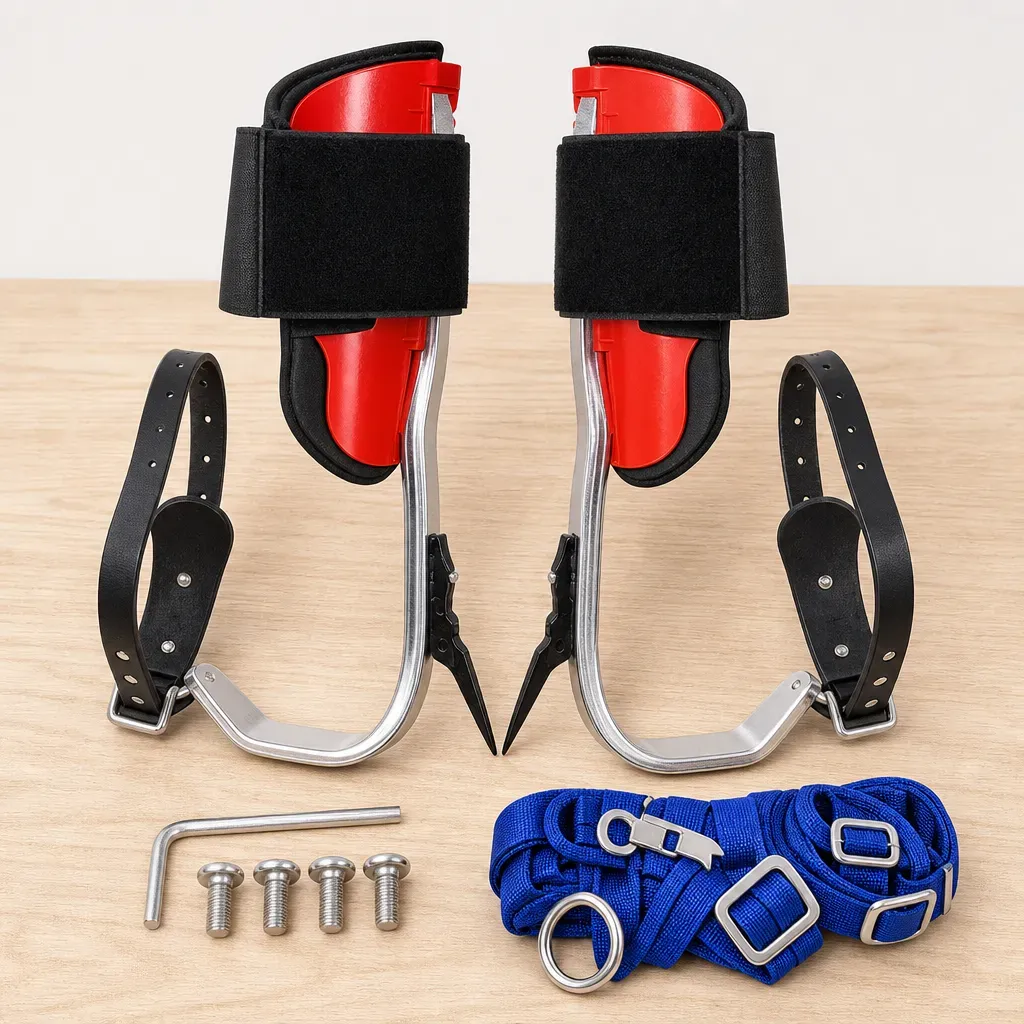
TL;DR: Aluminium climbing spikes (or arborist spurs) are lightweight leg-mounted tools featuring an alloy shank and durable steel gaffs designed for tree dismantling operations. They offer a superior strength-to-weight ratio over traditional steel spikes, significantly reducing limb fatigue while maintaining full compliance with UK LOLER 1998 safety regulations when properly inspected.
Aluminium climbing spikes are lightweight arborist spurs engineered to provide secure footing during tree removal operations while minimizing lower-body fatigue. For professional tree surgeons working in the UK, selecting the correct climbing equipment directly impacts both daily physical endurance and safety on the job. Carrying heavy steel spurs up a 60-foot oak tree takes a cumulative toll on the body, which can lead to premature fatigue and an increased risk of errors. Consequently, modern aluminium climbing spikes have revolutionised canopy work by delivering an exceptional strength-to-weight ratio tailored to the rigorous demands of UK forestry.
Based on our testing and feedback from professional field evaluation at Page Not Fou, investing in high-grade spurs is essential for long-term climbing health. Therefore, this comprehensive buyer's guide breaks down everything UK tree surgeons need to know about aluminium climbing spikes, from LOLER safety compliance to ergonomic calf support systems.
Key Takeaways
- Weight Reduction: Aluminium climbing spikes significantly reduce leg fatigue compared to traditional steel variants.
- Durability: Aerospace-grade aluminium provides uncompromising safety and dynamic load capacity suitable for demanding UK arboriculture work.
- Compliance: All climbing spikes used commercially in the UK must adhere to LOLER (Lifting Operations and Lifting Equipment Regulations 1998) inspection schedules.
- Ergonomics: Integrated strapping systems, such as a No. 3 belt set, are essential for superior lower-body stability and pressure distribution.
What Are the Advantages of Aluminium Climbing Spikes vs Steel?
When comparing materials for arborist climbing spurs, the choice typically comes down to traditional steel versus high-grade aluminium alloy. While steel offers undeniable ruggedness, modern arborists increasingly favour aluminium climbing spikes. The primary reason for this industry shift is proactive fatigue management.
According to safety guidance from the Health and Safety Executive (HSE), arboriculture remains a high-risk sector, with physical fatigue regularly highlighted as a contributing factor in lapses of concentration and slips at height. By switching to lightweight aluminium climbing spikes, arborists can shed vital hundreds of grams from each leg. Over an eight-hour shift of constant ascending, descending, and positioning in the crown, this saved weight translates directly into reduced strain on the knees, calves, and lower back.
Furthermore, based on our field tests on mature UK hardwoods, the reduced strain helps climbers maintain precise foot placement late in the day when tiredness usually sets in. For a broader look at how different materials compare across the industry, read our comprehensive resource on The Ultimate Guide to Arborist Climbing Spurs in the UK.
What Features Should You Look for in Aluminium Climbing Spikes?
Not all aluminium climbing spikes are manufactured to the same standard. When evaluating a pair for professional UK work, you must consider the design synergy between the structural shank, the sharp gaffs, and the ergonomic strapping system.
1. Aerospace-Grade Aluminium Shank
The shank forms the primary load-bearing support. Premium aluminium climbing spikes utilise heat-treated aerospace-grade alloys (such as 2024-T3 or 7075-T6 aluminium). As a result, these shanks absorb high dynamic loads when a climber drops weight onto a single spike without bending or fracturing.
2. High-Grade Steel Gaffs (Spikes)
Although the shank itself is alloy, the gaffs (spikes) are crafted from hardened, drop-forged steel. This ensures they maintain a sharp point that easily pierces thick bark. Depending on your routine work environment, choosing the correct gaff length is crucial. For detailed guidance on gaff selection, see our dedicated guide on Tree Climbing Gaffs Explained: A UK Buyer's Guide.
3. Ergonomic Strapping and Leg Pads
Even the lightest aluminium climbing spikes will cause severe leg pain if paired with inadequate pads. Modern professional spikes utilise advanced ergonomic calf supports. For instance, an integrated No. 3 belt set provides superior lower-body stability, wrapping securely around the lower leg to distribute weight evenly and prevent the upper shank from biting into the shin during complex rigging work.
Are Aluminium Climbing Spikes Subject to LOLER Regulations in the UK?
Yes. In the UK, climbing spikes are classed as load-bearing work equipment used for work at height. Therefore, they fall strictly under the Lifting Operations and Lifting Equipment Regulations 1998 (LOLER).
According to UK guidelines, your aluminium climbing spikes must undergo a documented thorough examination by a qualified competent person at least every six months. During these inspections, safety inspectors specifically examine:
- Structural Integrity: Hairline cracks or stress fractures in the aluminium shank. Unlike steel, which typically bends visibly before yielding, aluminium can crack silently under extreme fatigue.
- Strapping Condition: Excessive wear, fraying, or damaged buckles on the integrated strapping and belt sets.
- Gaff Wear: The length, profile, and sharpness of the steel gaffs (gaffs worn beyond safe limits must be resharpened or replaced).
"Based on our hands-on gear inspections, regular maintenance of your aluminium climbing spikes is not only a mandatory LOLER requirement—it is your primary defense against equipment failure in the tree canopy."
To learn more about how equipment regulations apply across all tree care gear, check out our Ultimate Guide to Arborist Climbing Spurs in the UK.
Can You Use Aluminium Climbing Spikes for Both Trees and Utility Poles?
While aluminium climbing spikes offer great versatility, your chosen gaff configuration must match the specific climbing surface. Tree climbing gaffs are longer and angled to penetrate thick, rough bark such as mature oak, Scots pine, or willow. Conversely, utility pole work requires short pole gaffs to prevent the spike from penetrating too deep, which could cause the climber to trip or get stuck.
If your daily work involves telecommunications or power line clearance, we recommend reading our dedicated guide on Pole Climbing Spurs Explained: A UK Buyer's Guide to select the correct gaff style for your aluminium shanks.
Upgrade Your Arborist Equipment with Page Not Fou
At Page Not Fou, we understand the daily physical challenges faced by UK tree surgeons. That is why we supply top-tier arborist gear, including our Professional Red Aluminium Tree Climbing Spikes. Engineered specifically for professional tree climbers, these lightweight spikes feature an integrated No. 3 belt set for superior lower-body stability, reduced fatigue, and uncompromised safety during demanding dismantles.
Crafted from ultra-durable aluminium alloy and finished in high-visibility red, they are the ideal upgrade for climbers looking to improve overall comfort and performance. Shop our Professional Red Aluminium Tree Climbing Spikes today and feel the difference on your next climb.
Frequently Asked Questions About Aluminium Climbing Spikes
How long do aluminium climbing spikes last?
With proper maintenance and regular sharpening of the replaceable steel gaffs, a high-quality pair of aluminium climbing spikes can last a professional arborist between 5 to 10 years. However, shanks must be inspected regularly for micro-cracks under LOLER requirements; any damaged or cracked aluminium shank must be retired immediately.
Are aluminium climbing spikes safe for pruning living trees?
No. In accordance with standard UK arboricultural practice, climbing spikes of any material should only be used during tree removals (dismantling) or emergency tree rescues. Spikes puncture the cambium layer of living trees, opening wounds that expose the tree to harmful pathogens and decay.
Are aluminium climbing spikes better than steel spikes?
For most modern tree surgeons, yes. Aluminium climbing spikes offer comparable structural strength to steel while reducing leg weight by up to 30–40%. This drastic weight reduction reduces muscular fatigue and joint strain, enabling safer, more comfortable working conditions during long climbs.
Ready to upgrade your climb with Page Not Fou?
Equip Now — £249.95